


Banarasi Sarees — GI Certified, Handwoven in Varanasi
Find Your Perfect Banarasi Weave
Pick an occasion — we'll point you to the weave that suits it best.
Katan Silk
Rich, smooth, with a soft sheen — the classic choice for weddings and big rituals.
Shop Katan Silk sarees→GI Certified · Handwoven by 4th-generation artisans in Varanasi
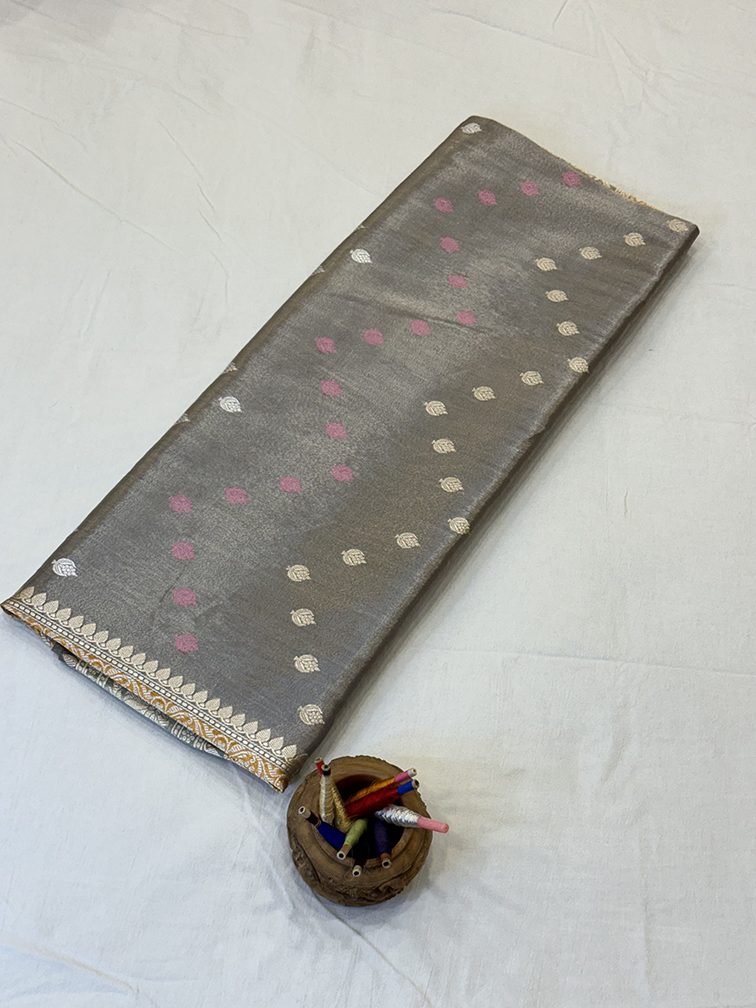
Grey Tissue Silk Saree — Kadwa Booti

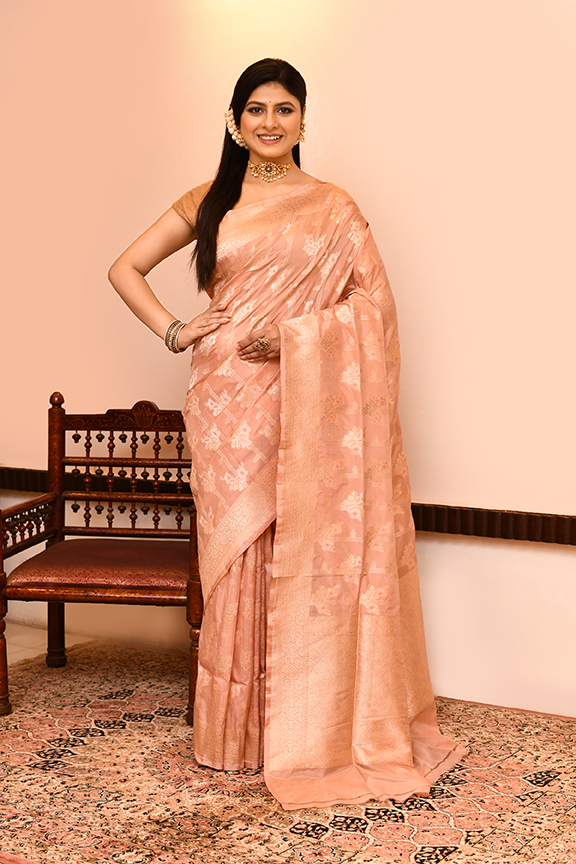
Lemon Pink Katan Silk Saree — Kadwa Boota

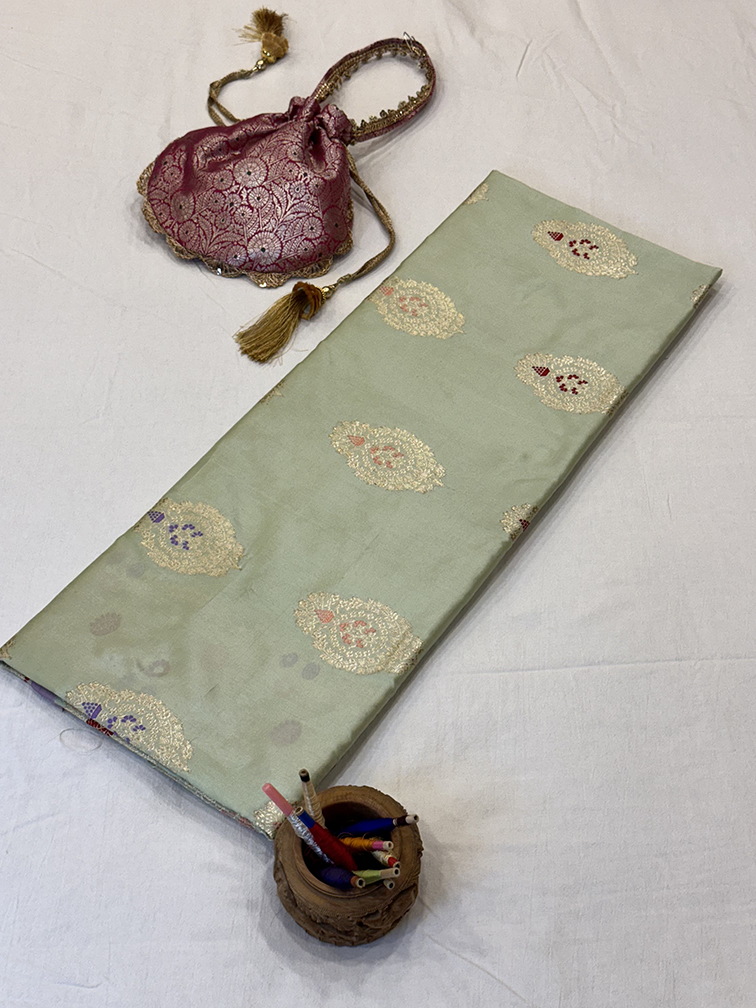
Light Green Katan Silk Saree — Cut Work Aada
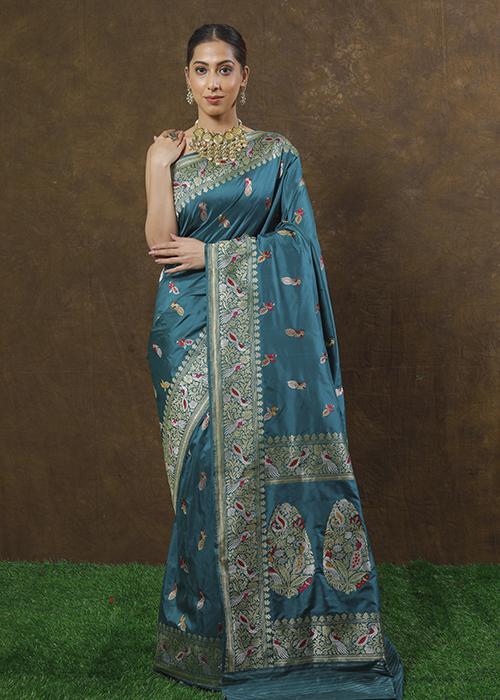
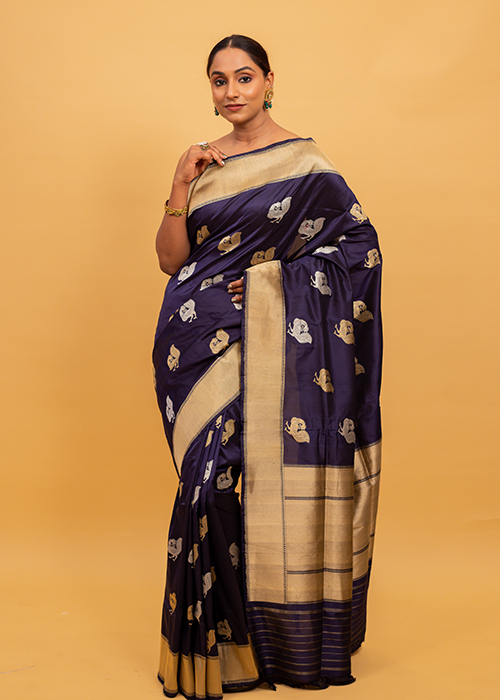
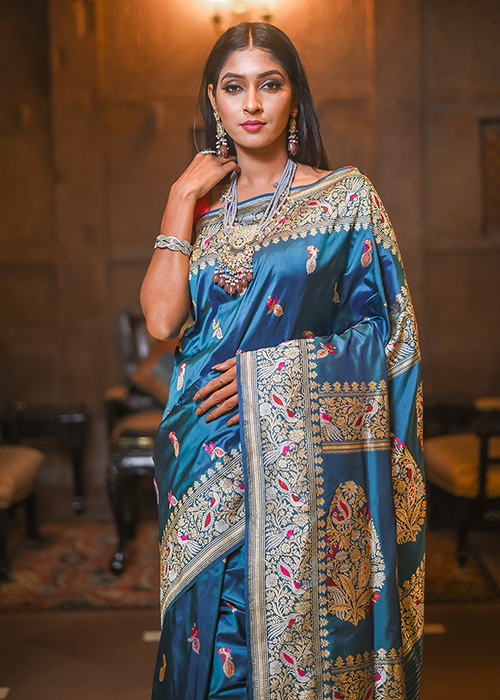
Blue Katan Silk Saree - Kadwa Bird Boota
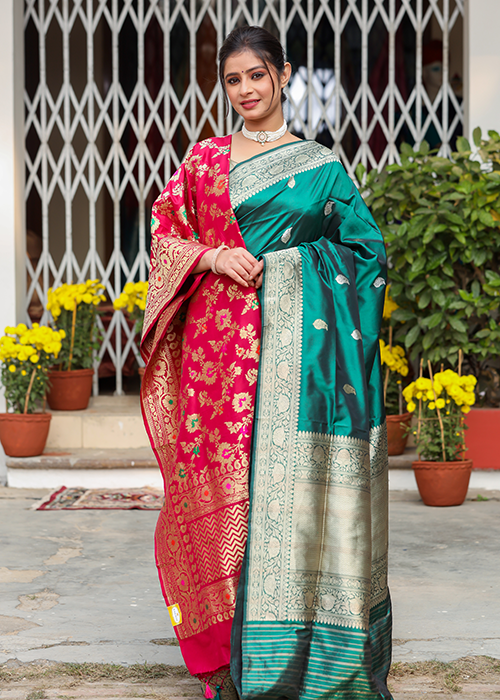
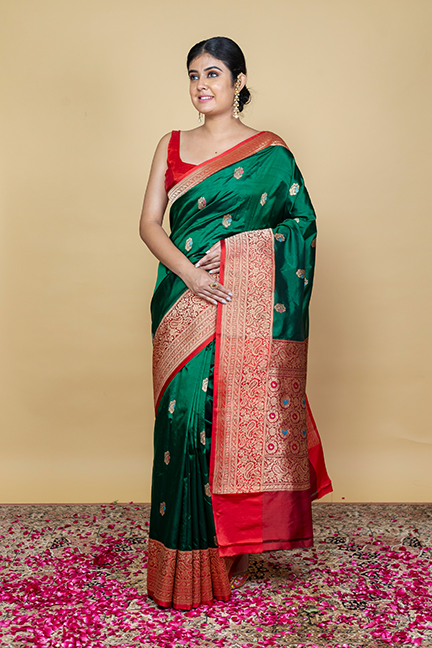
Green Katan Silk Saree — Kadwa Boota
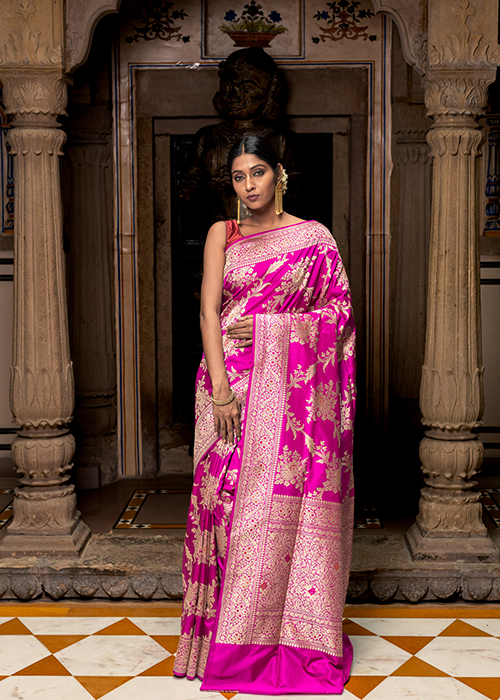
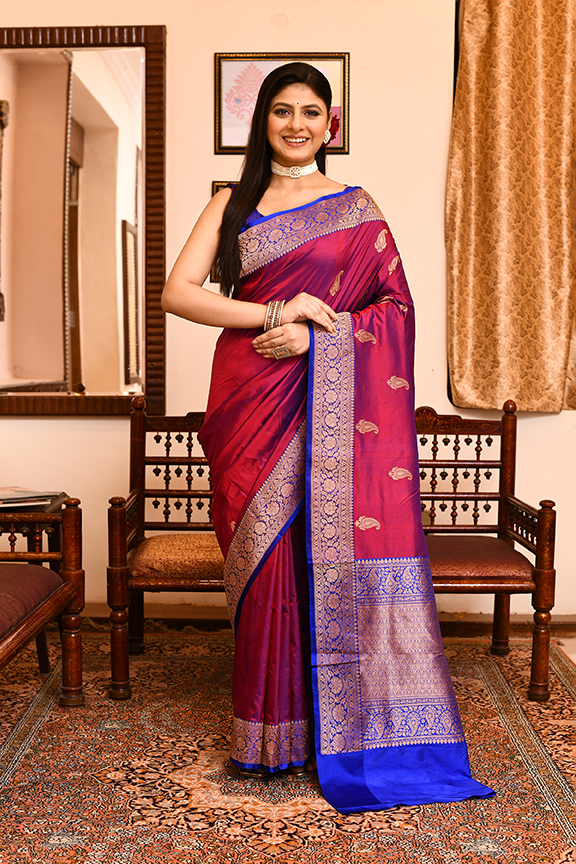
Magenta Katan Silk Saree — Meena Jaal
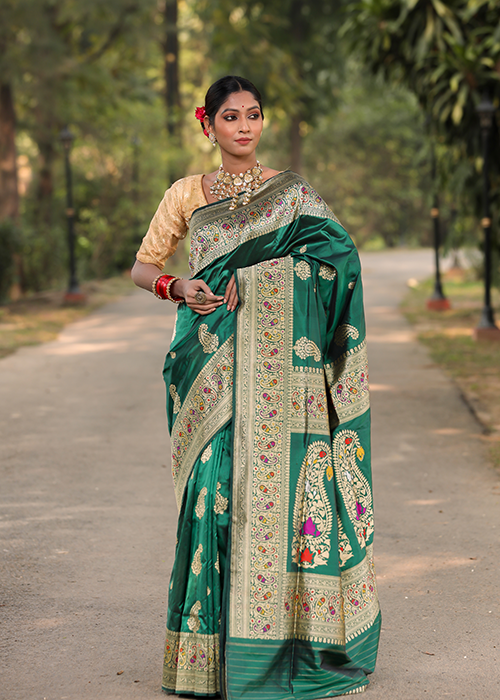
Crimson Green Katan Silk Saree — Kadwa Boota
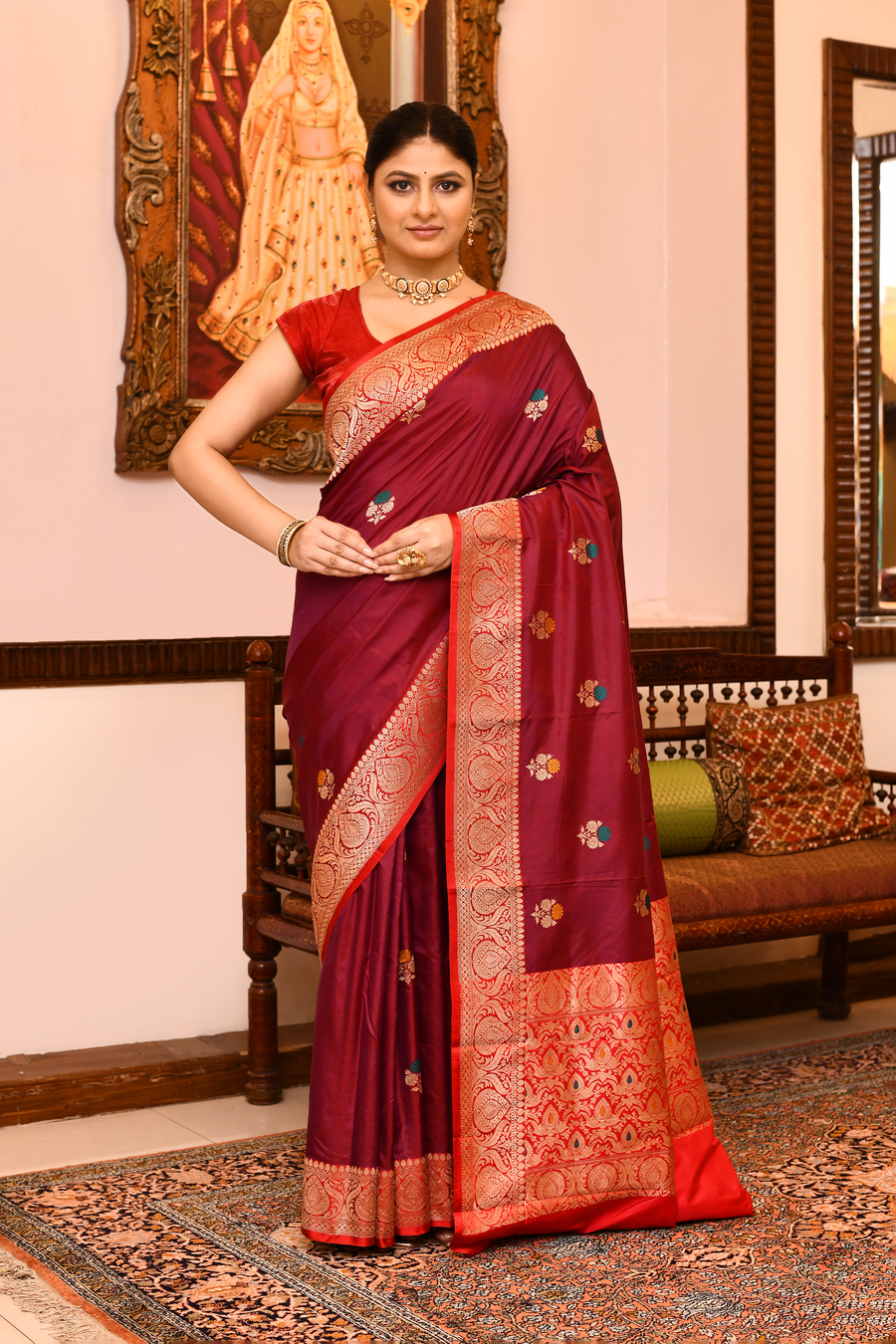
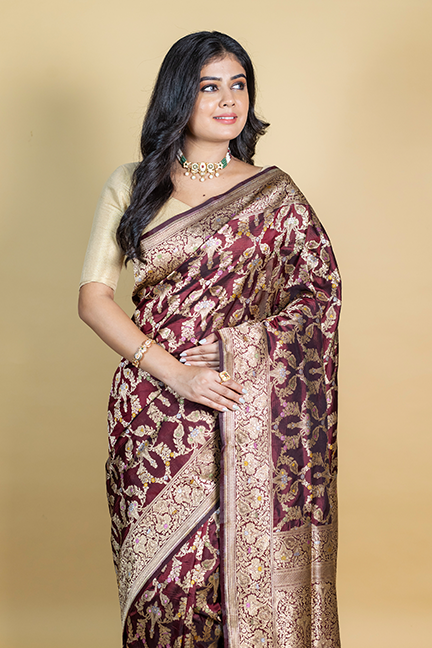
Maroon Katan Silk Saree — Kadwa Meena Booti
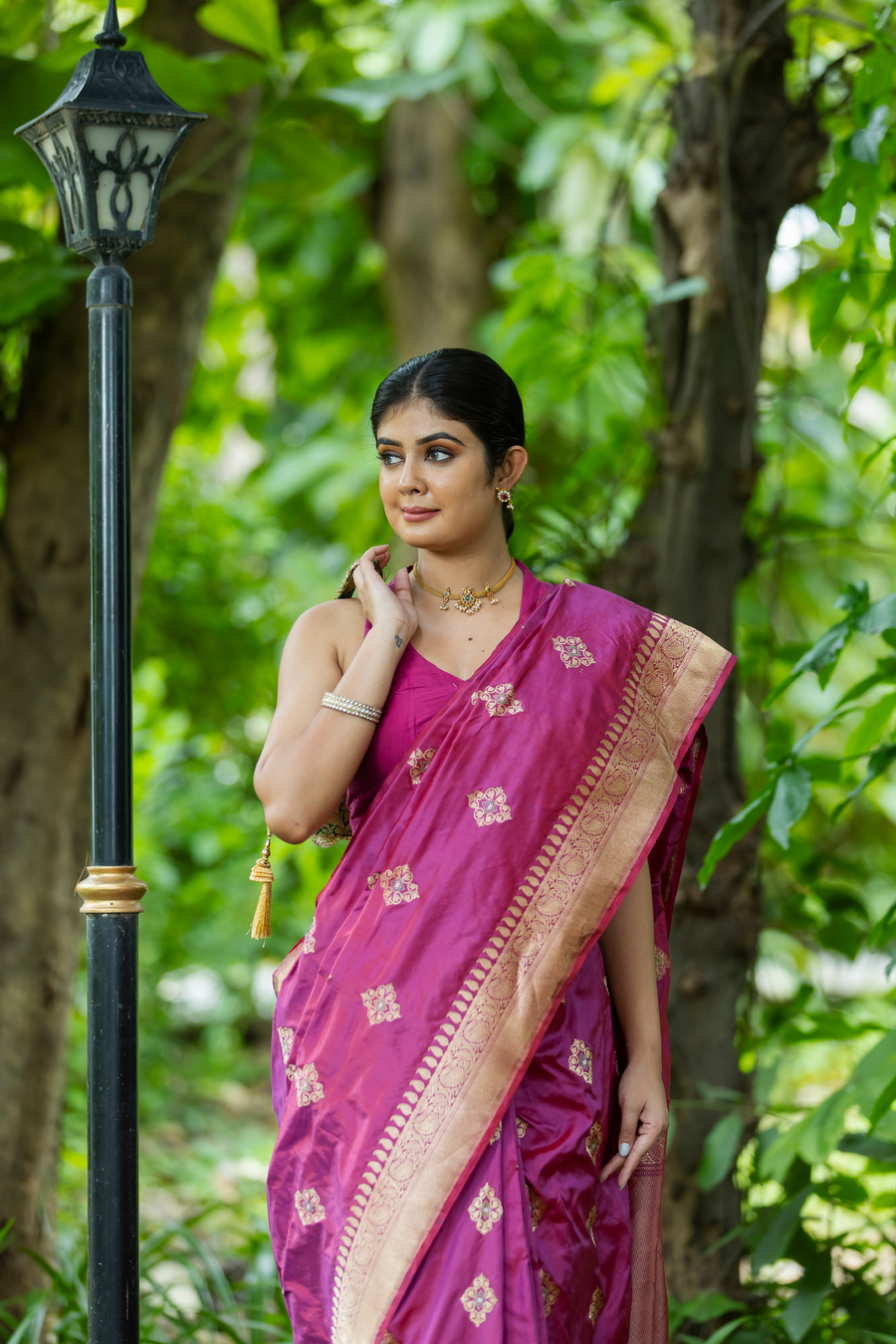
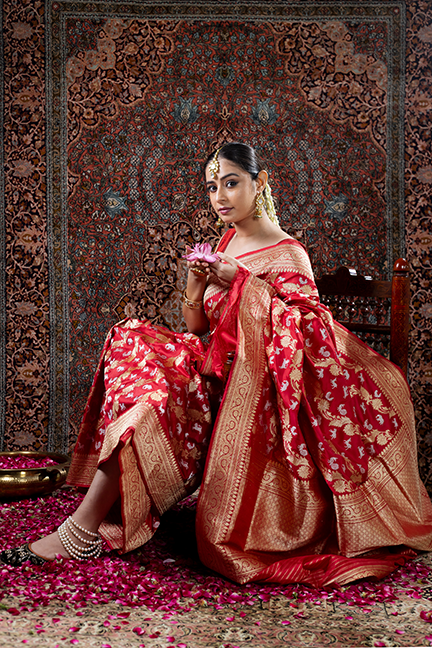
Red Katan Silk Saree — Kadwa Sikargha Jaal
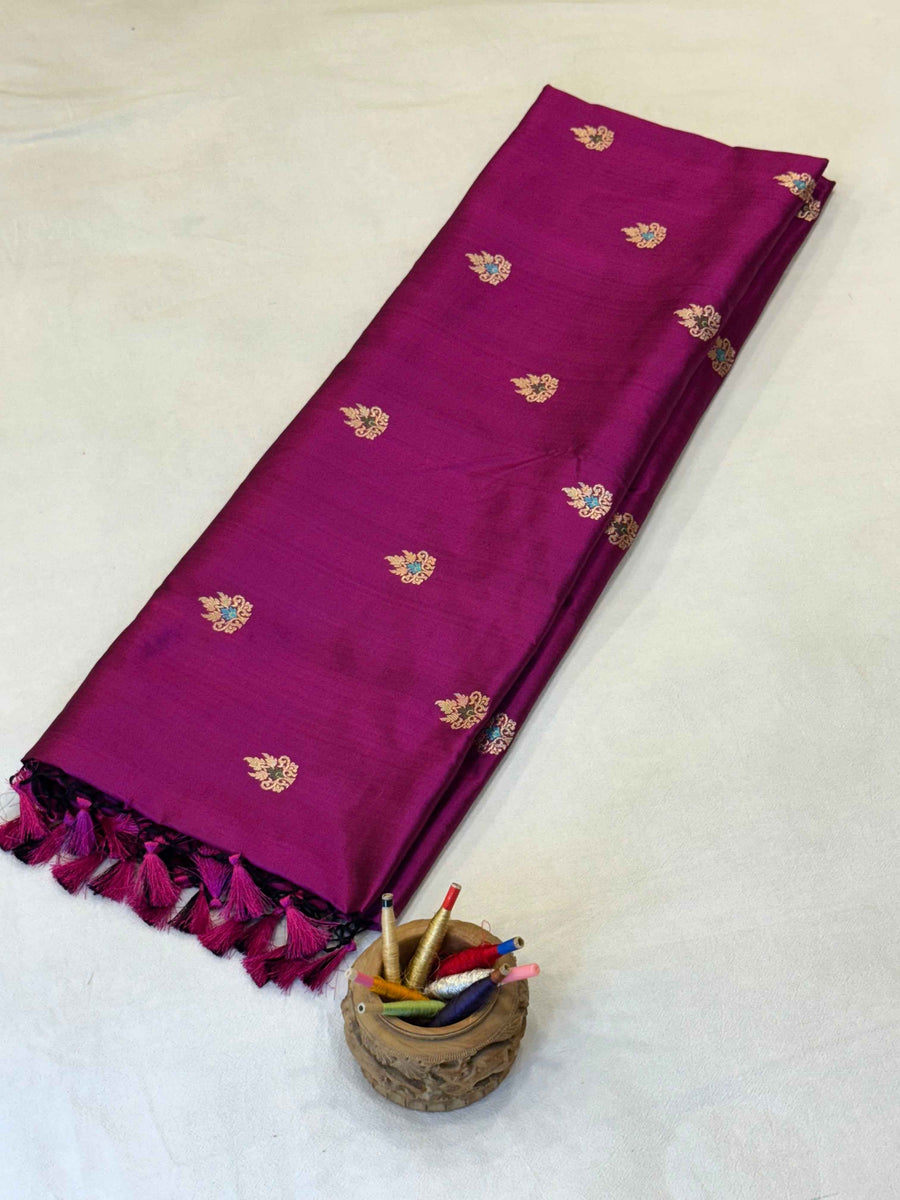
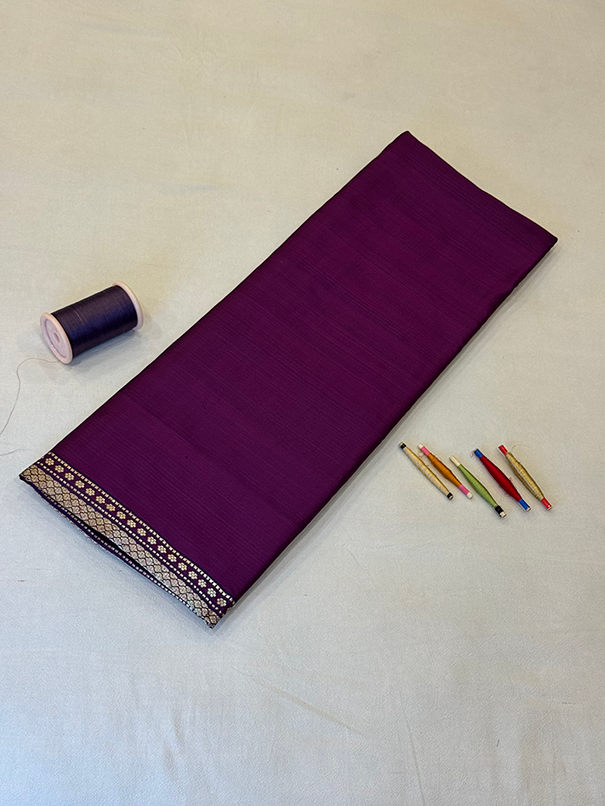
Wine Katan Silk Saree — Kadwa Plain Konia
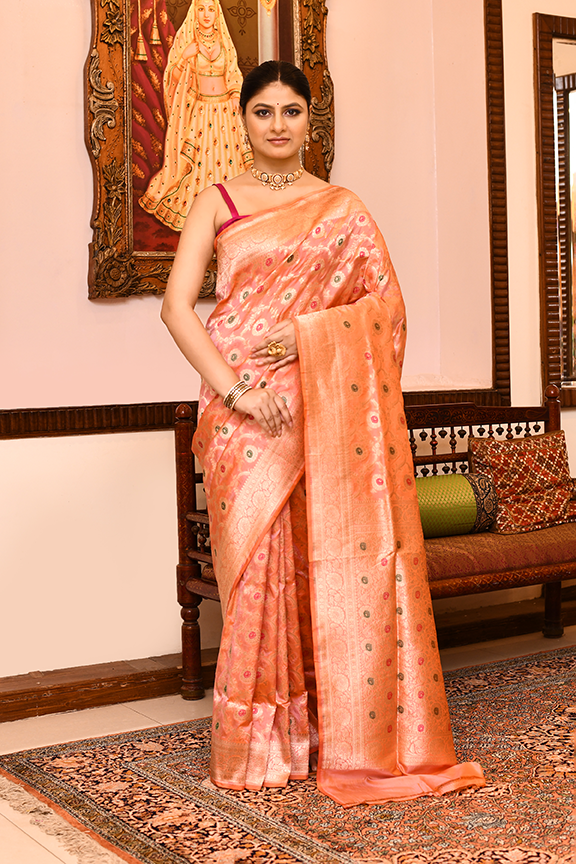
Peach Katan Silk Saree — Cut Work Meena Jaal
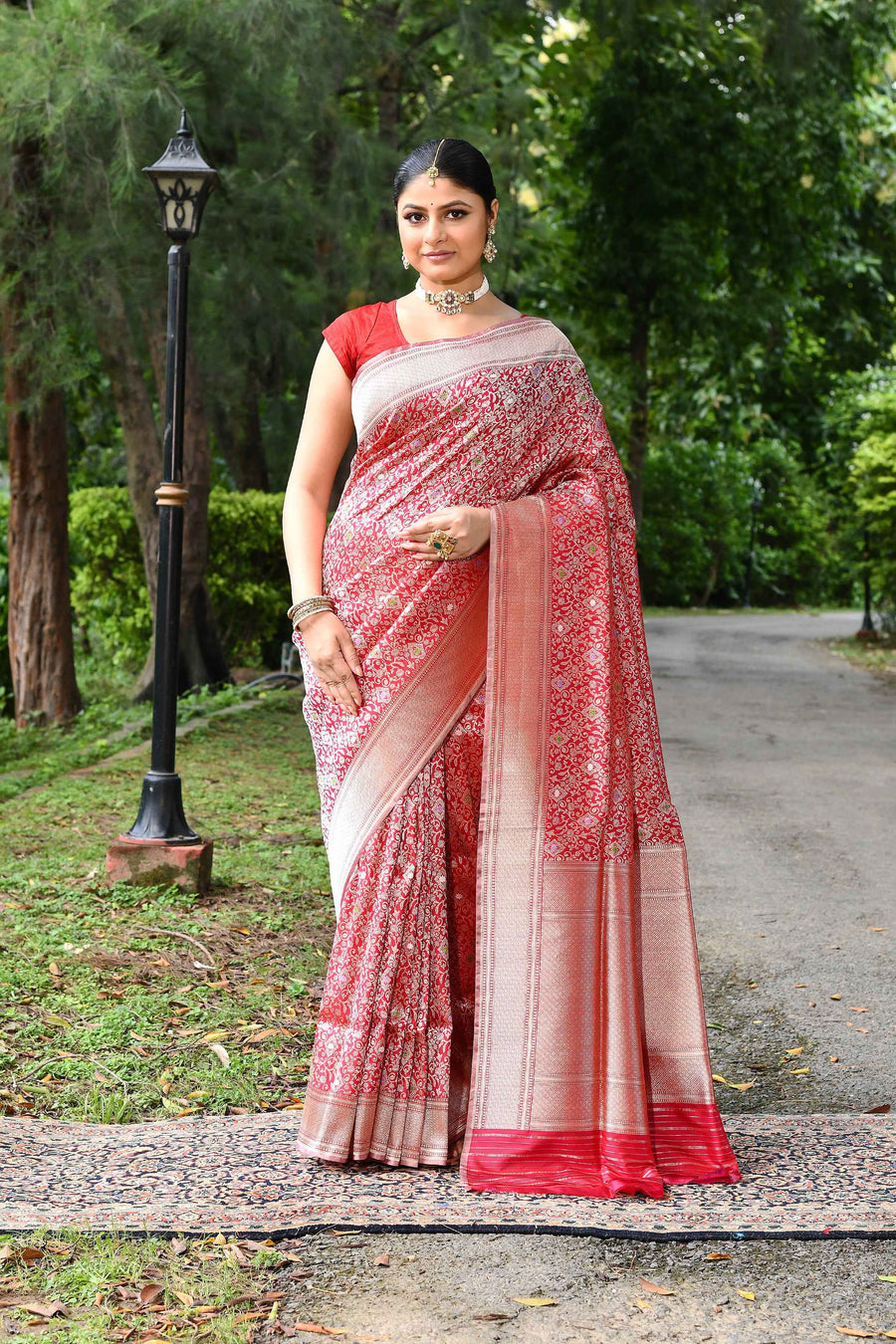
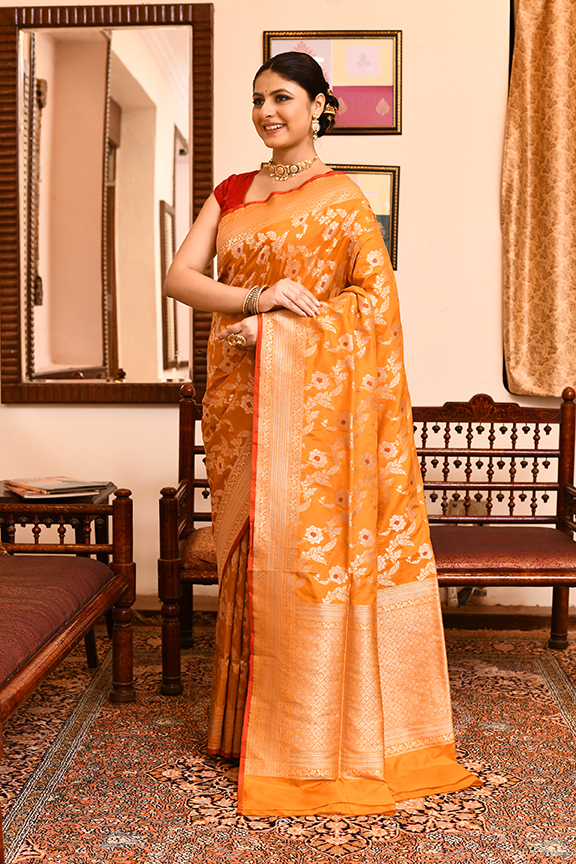
Red Katan Silk Saree — Kadwa Jaal

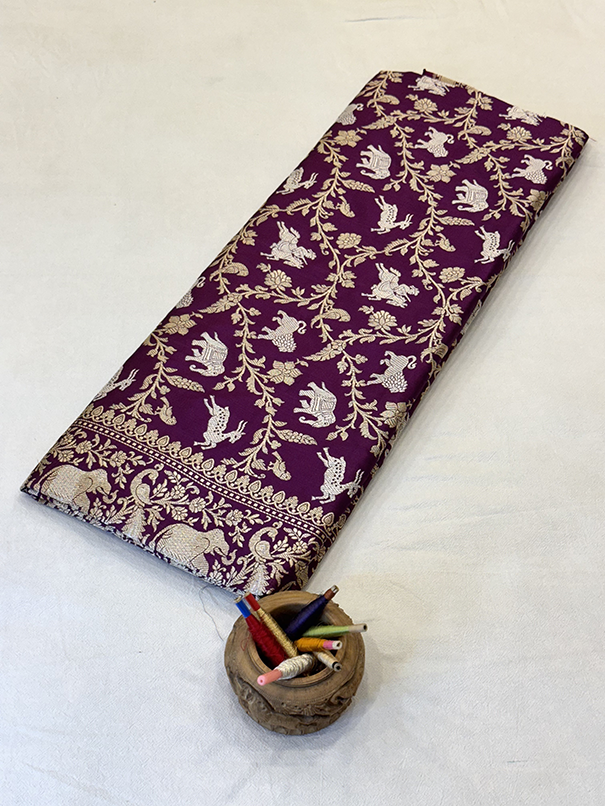
Wine Katan Silk Saree - Kadwa Shikargh
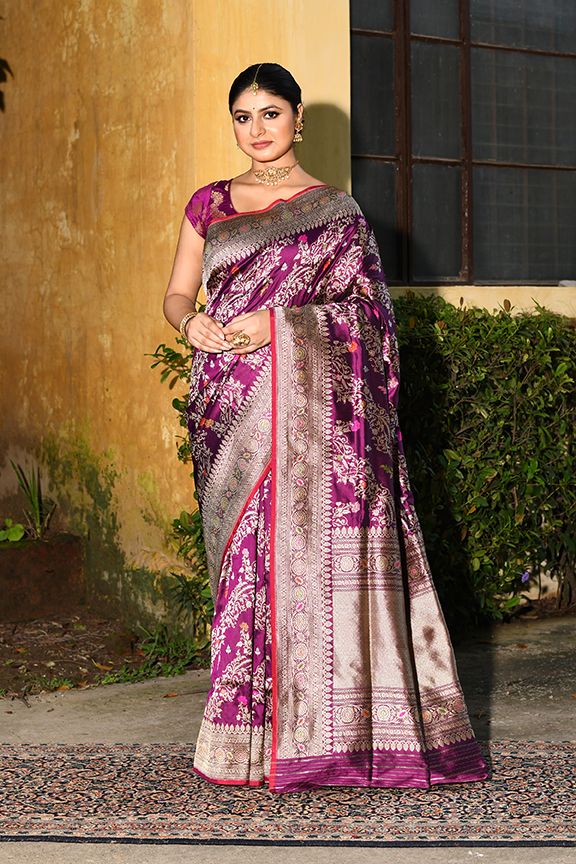
Wine Katan Silk Saree — Kadwa Aada Jaal
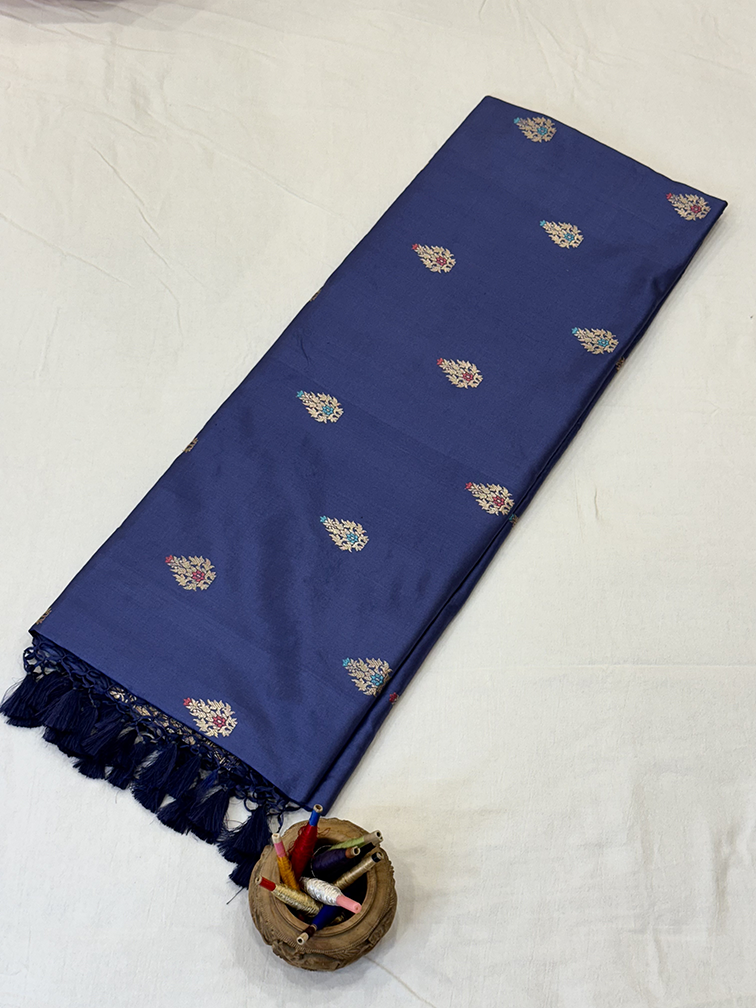
Blue Katan Silk Saree — Kadwa Meena Booti
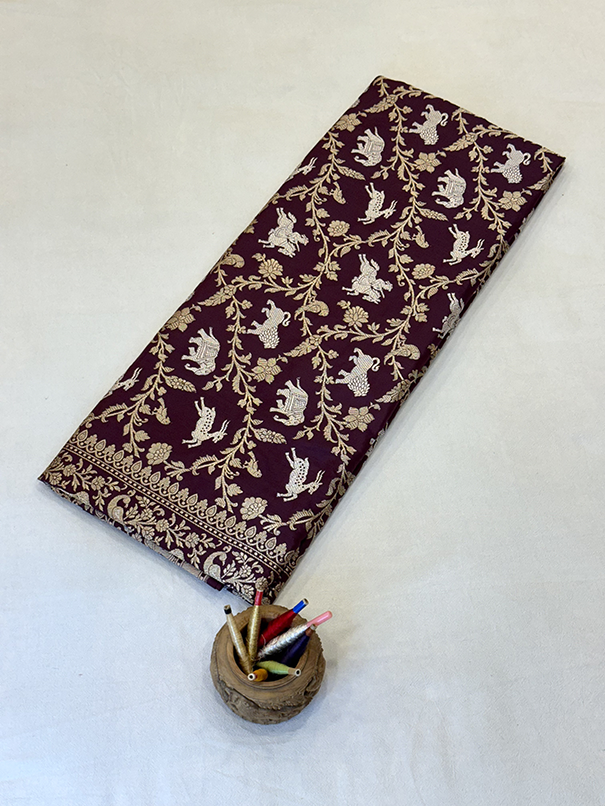
Maroon Katan Silk Saree - Kadwa Shikargh


Gold Kora Silk Saree — Kadwa Booti

Blue Kora Silk Saree — Kadwa Aada Design


Almond Kora Silk Saree — Kadwa Meena Booti

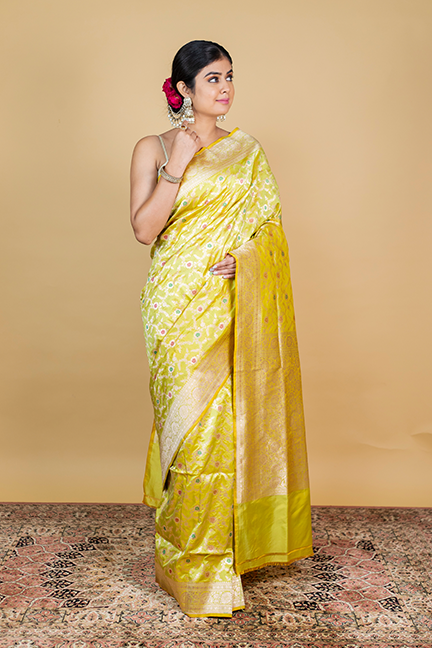
Yellow Kora Silk Saree — Kadwa Mango Booti

Brown Kora Silk Saree — Kadwa Mango Booti


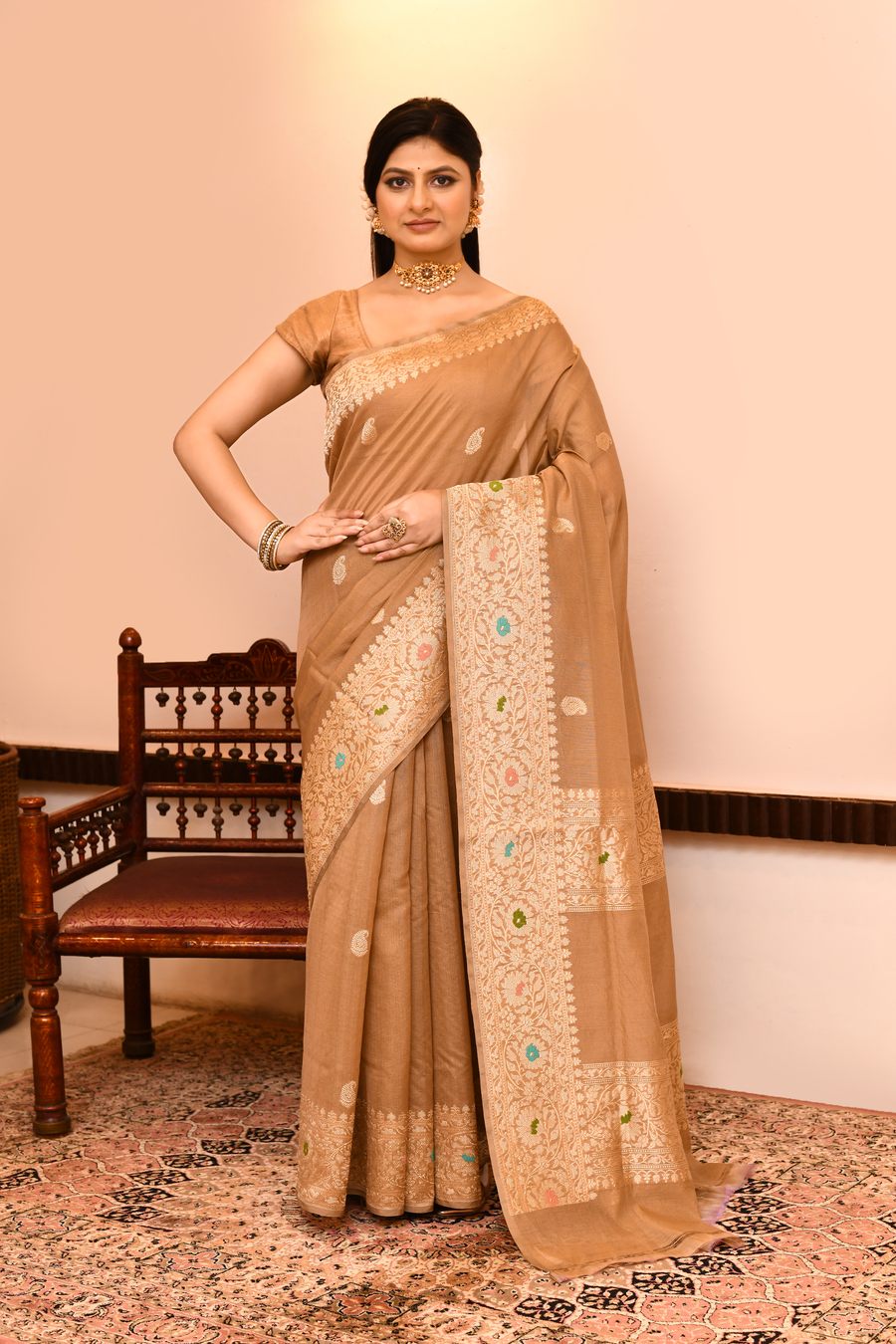
Off-White Kora Silk Saree — Kadwa Booti
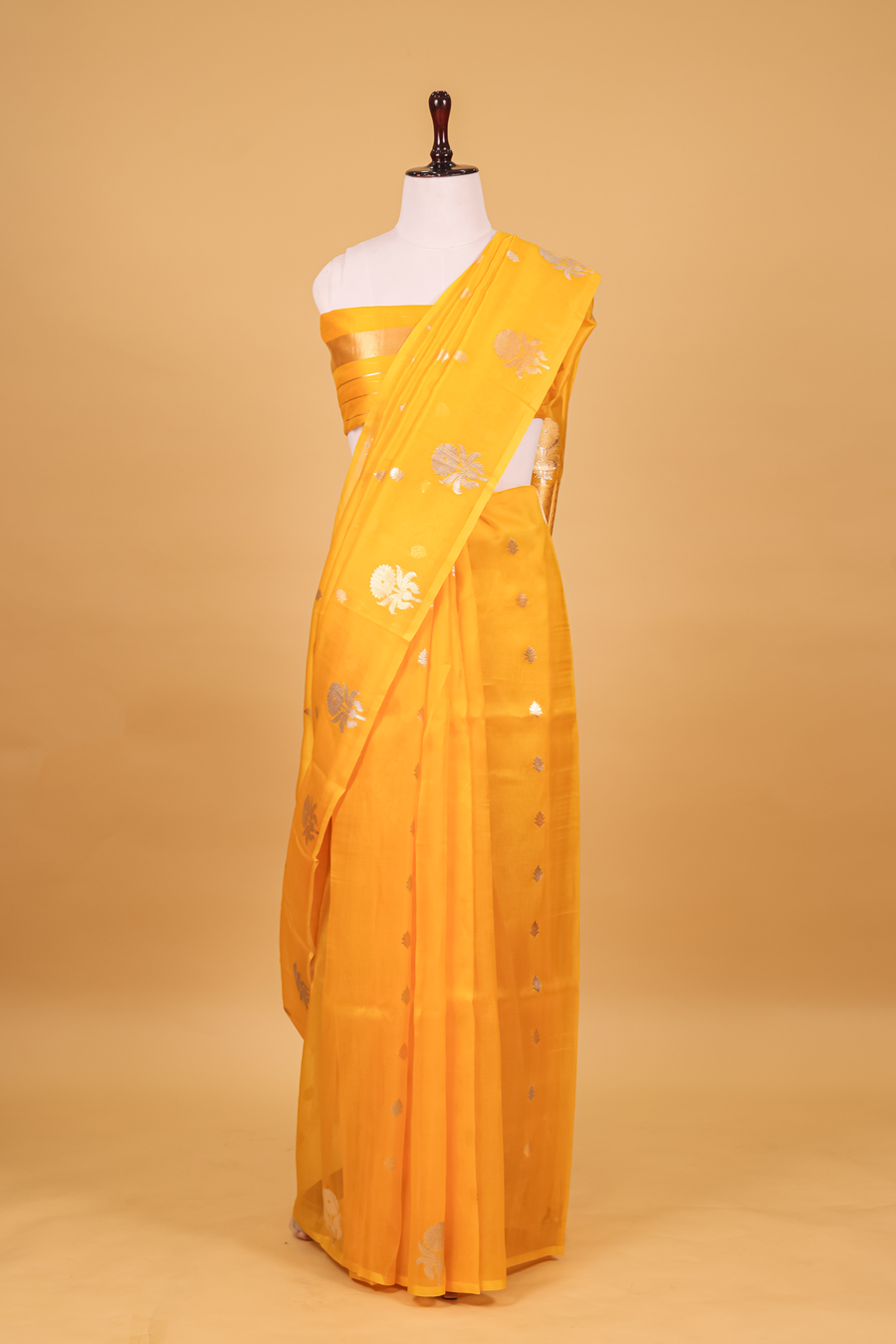
Yellow Organza Silk Saree — Kadwa Boota

Grey Georgette Silk Saree - Kadwa Jaal
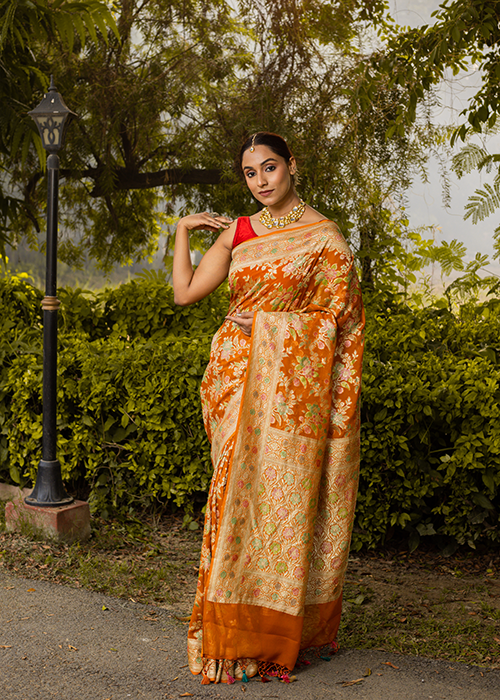

Red Tissue Silk Saree — Kadwa Jaal
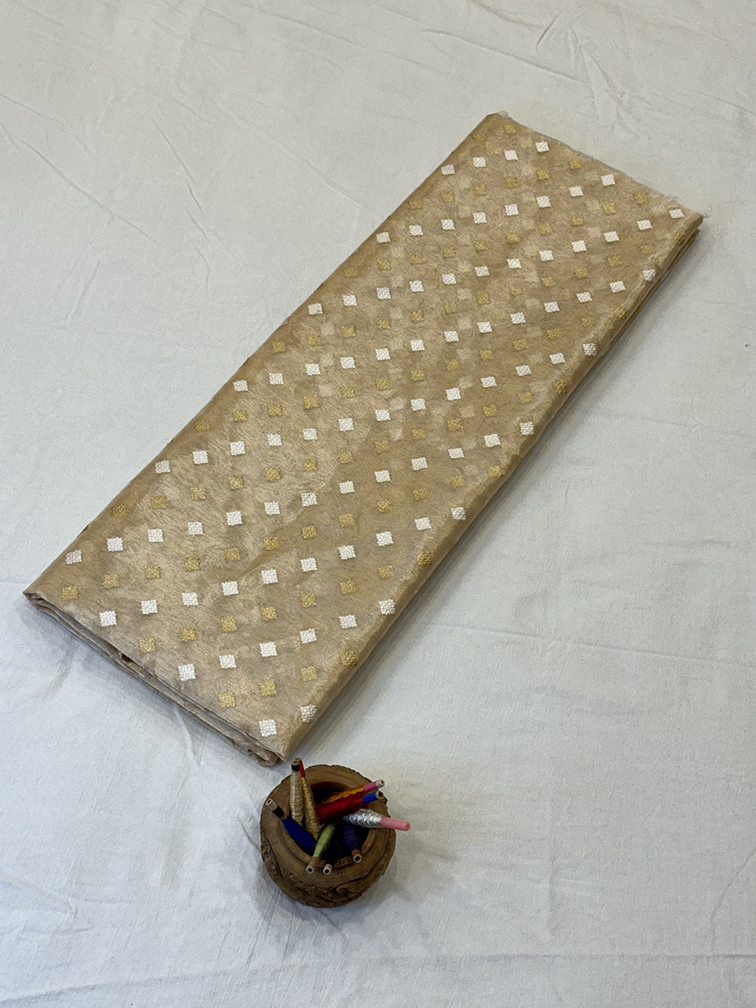
Golden Tissue Silk Saree — Kadwa Booti

Onion Pink Tissue Silk Saree — Kadwa Jaal

Purple Tissue Silk Saree — Kadwa Booti
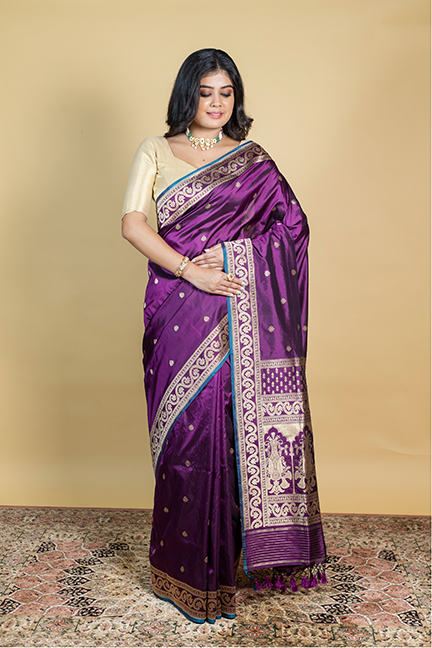
Wine Katan Silk Saree — Kadwa Darbar Booti
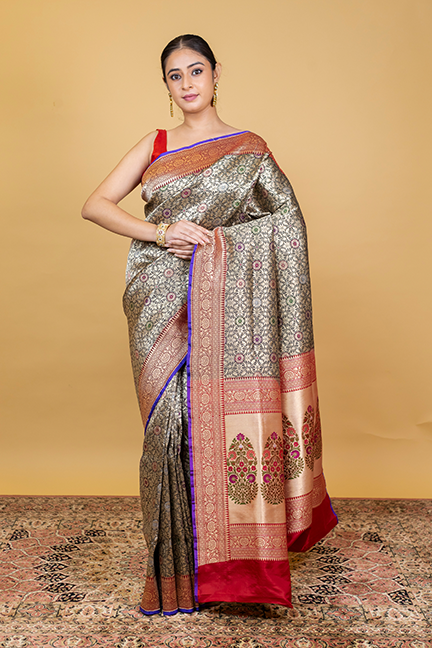
Black Katan Silk Saree — Tanchui Booti
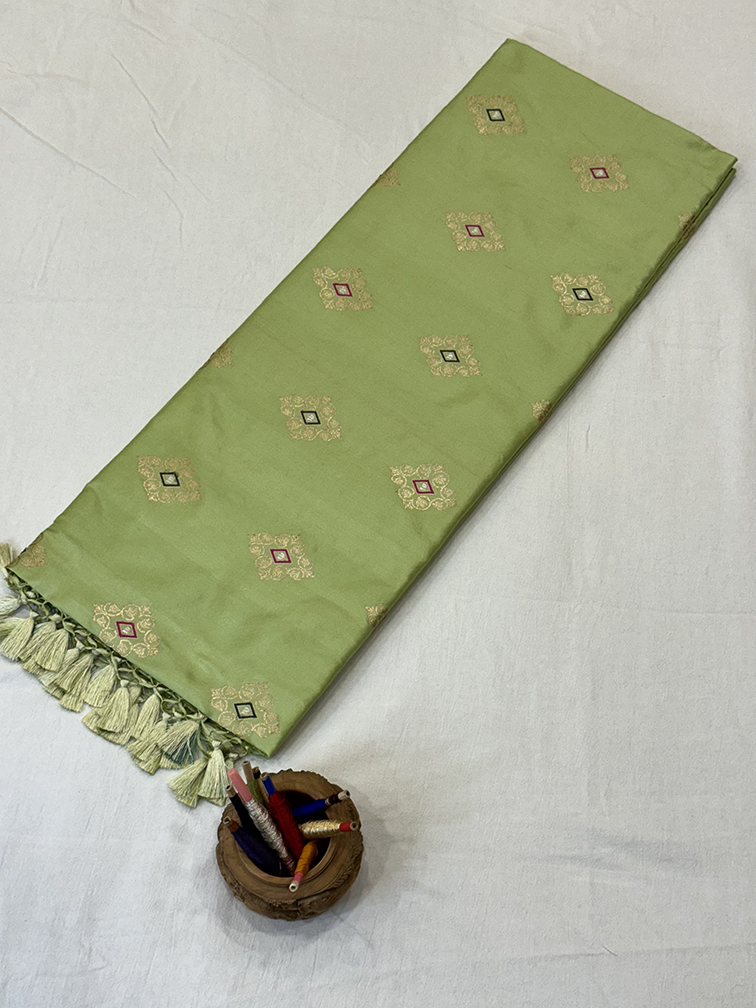
Light Green Katan Silk Saree — Kadwa Booti
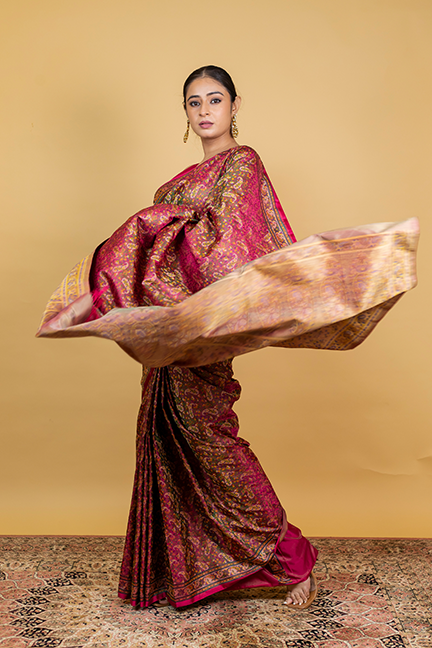
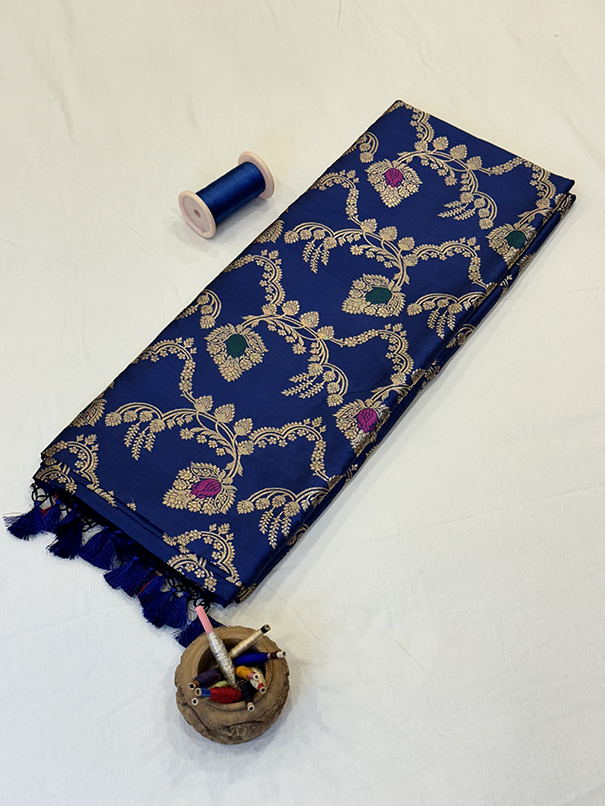
Blue Katan Silk Saree — Kadwa Jaal Meena
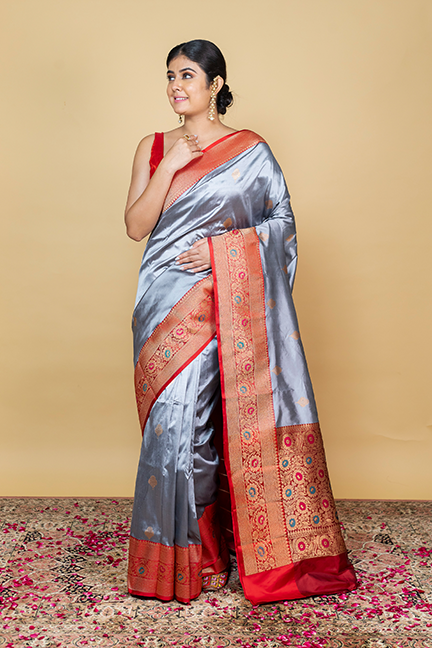
Grey Katan Silk Saree — Kadwa Booti
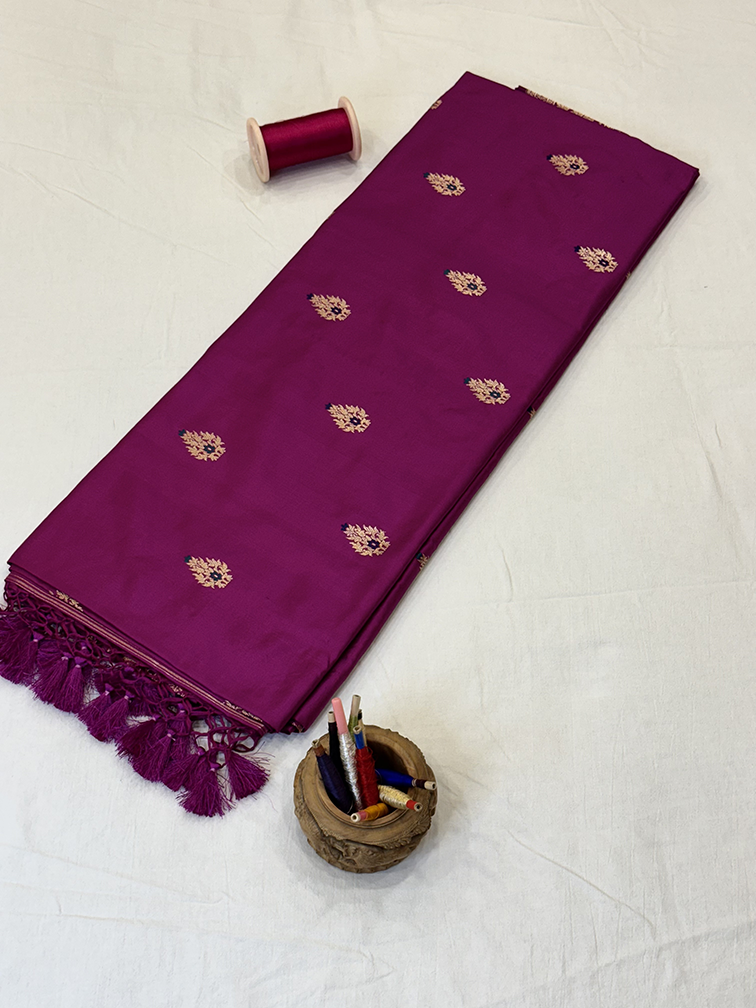
Magenta Katan Silk Saree — Kadwa Meena Booti
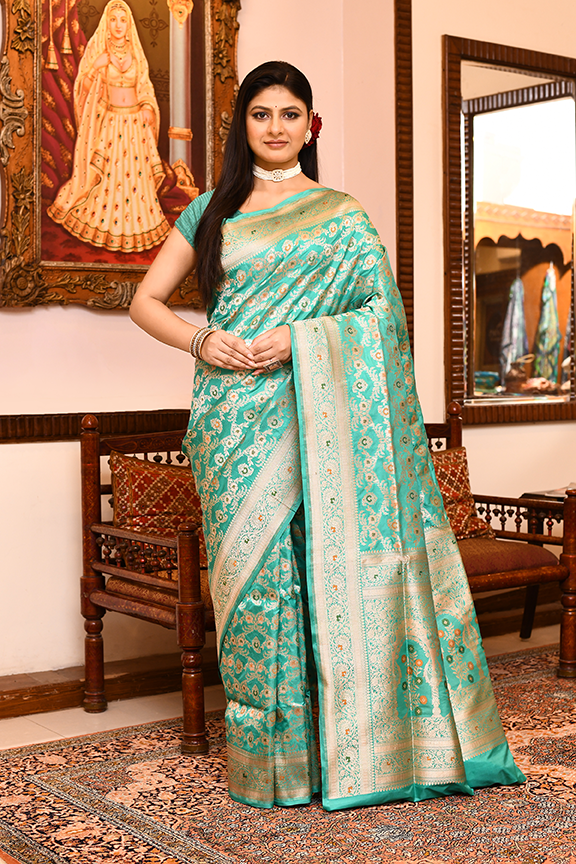
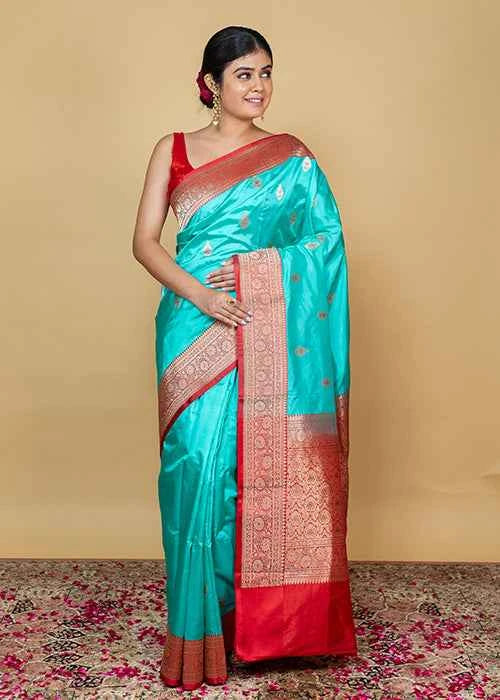
Sea Green Katan Silk Saree — Cut Work Booti
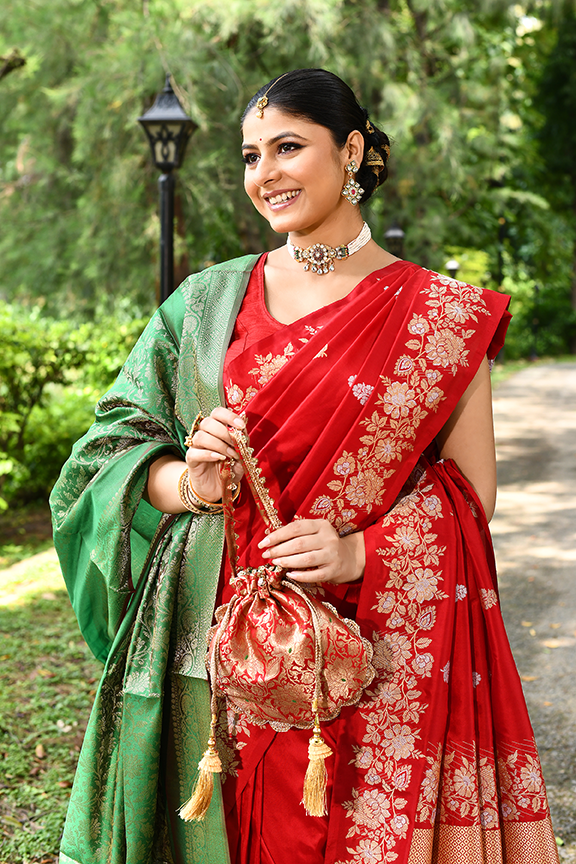
Red Katan Silk Saree — Kadwa Flower Booti
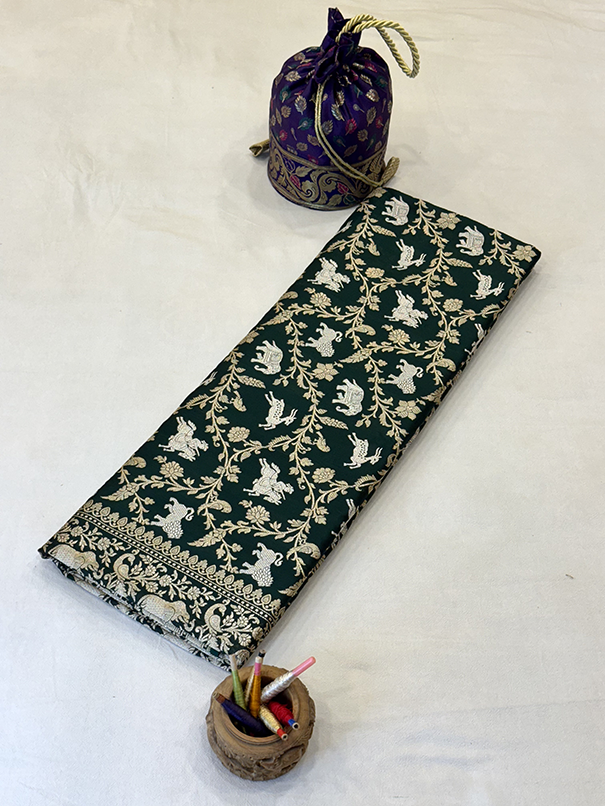
Green Katan Silk Saree — Kadwa Booti
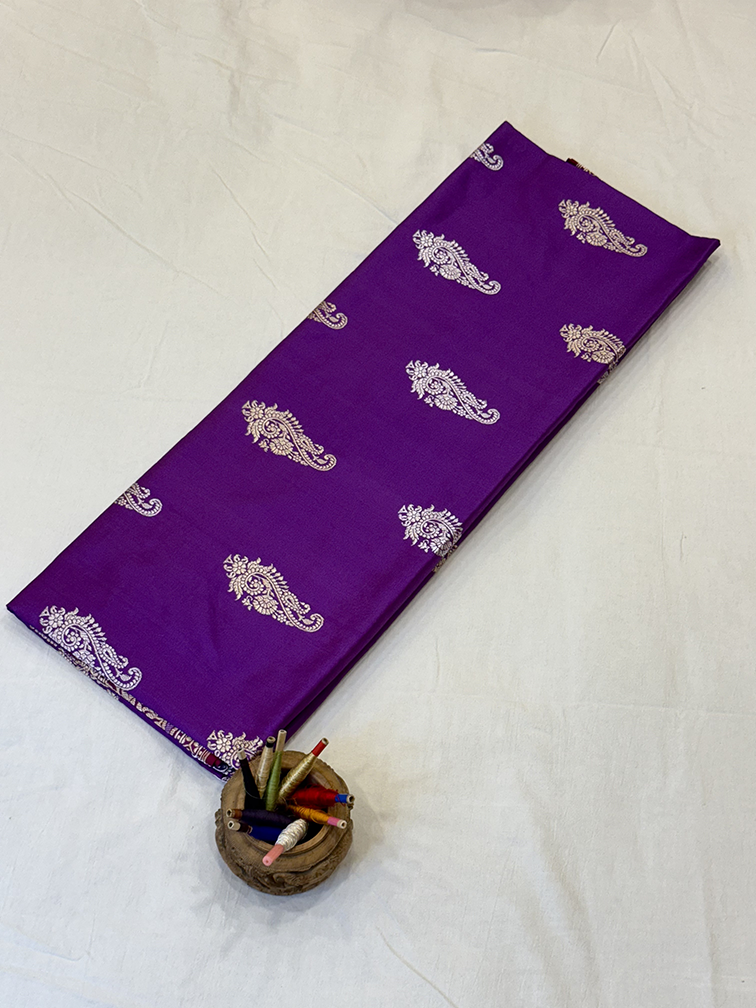
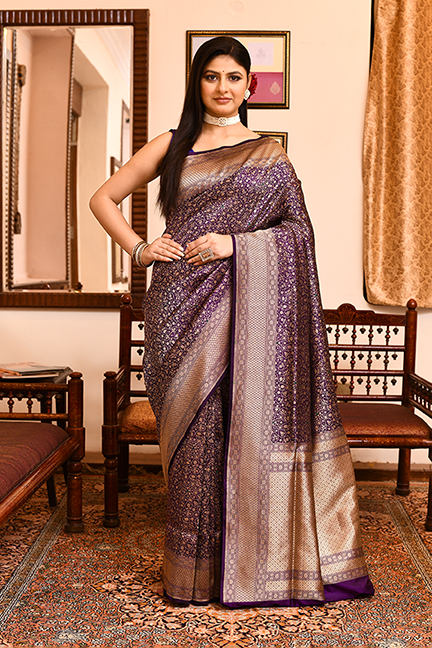
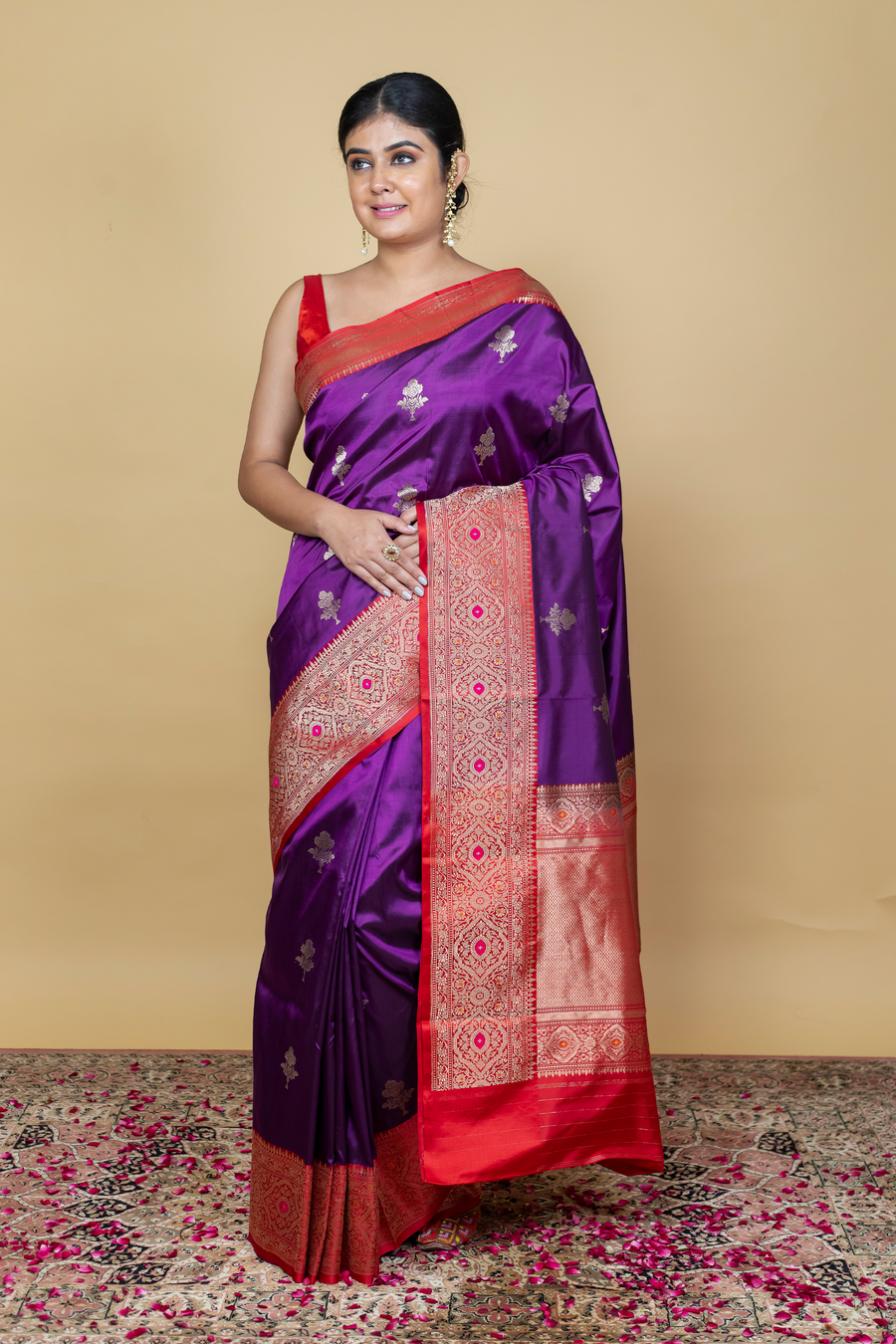
Purple Katan Silk Saree — Kadwa Booti
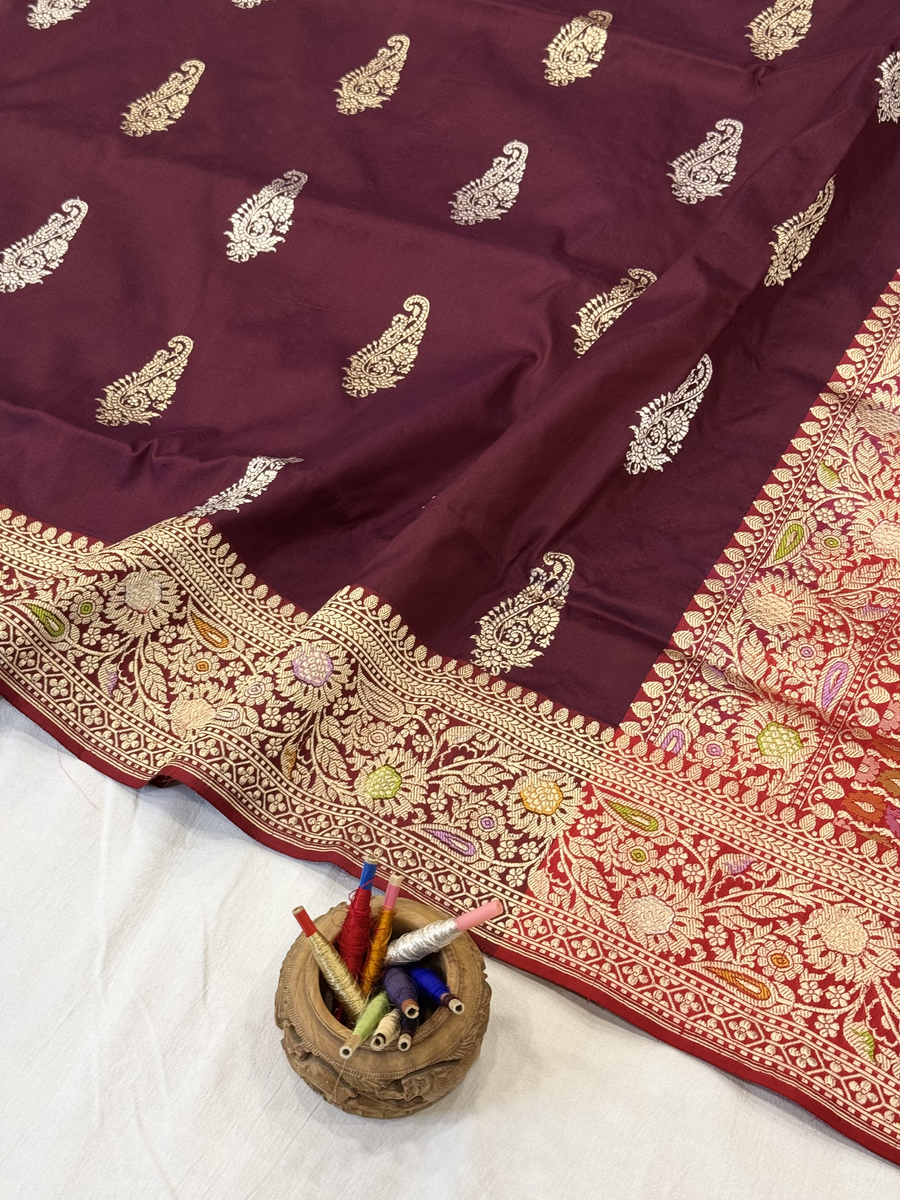
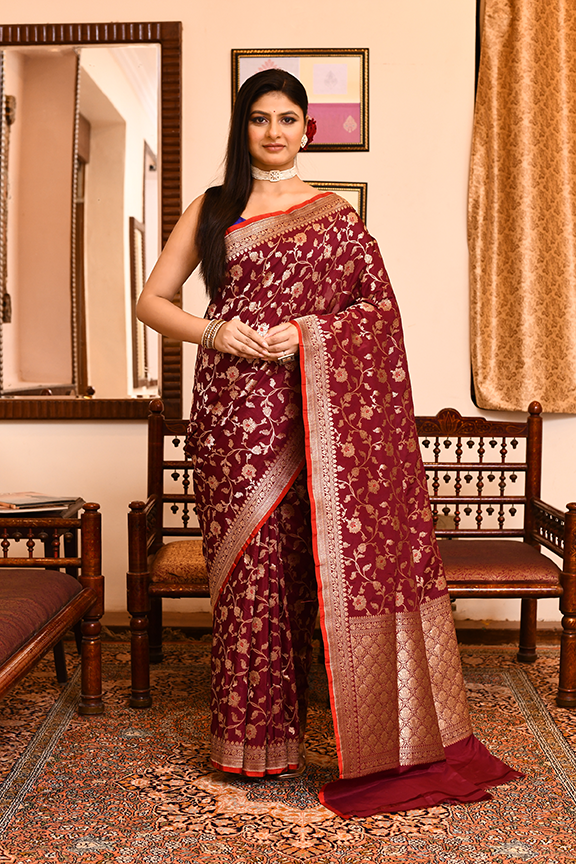
Maroon Katan Silk Saree — Kadwa Boota
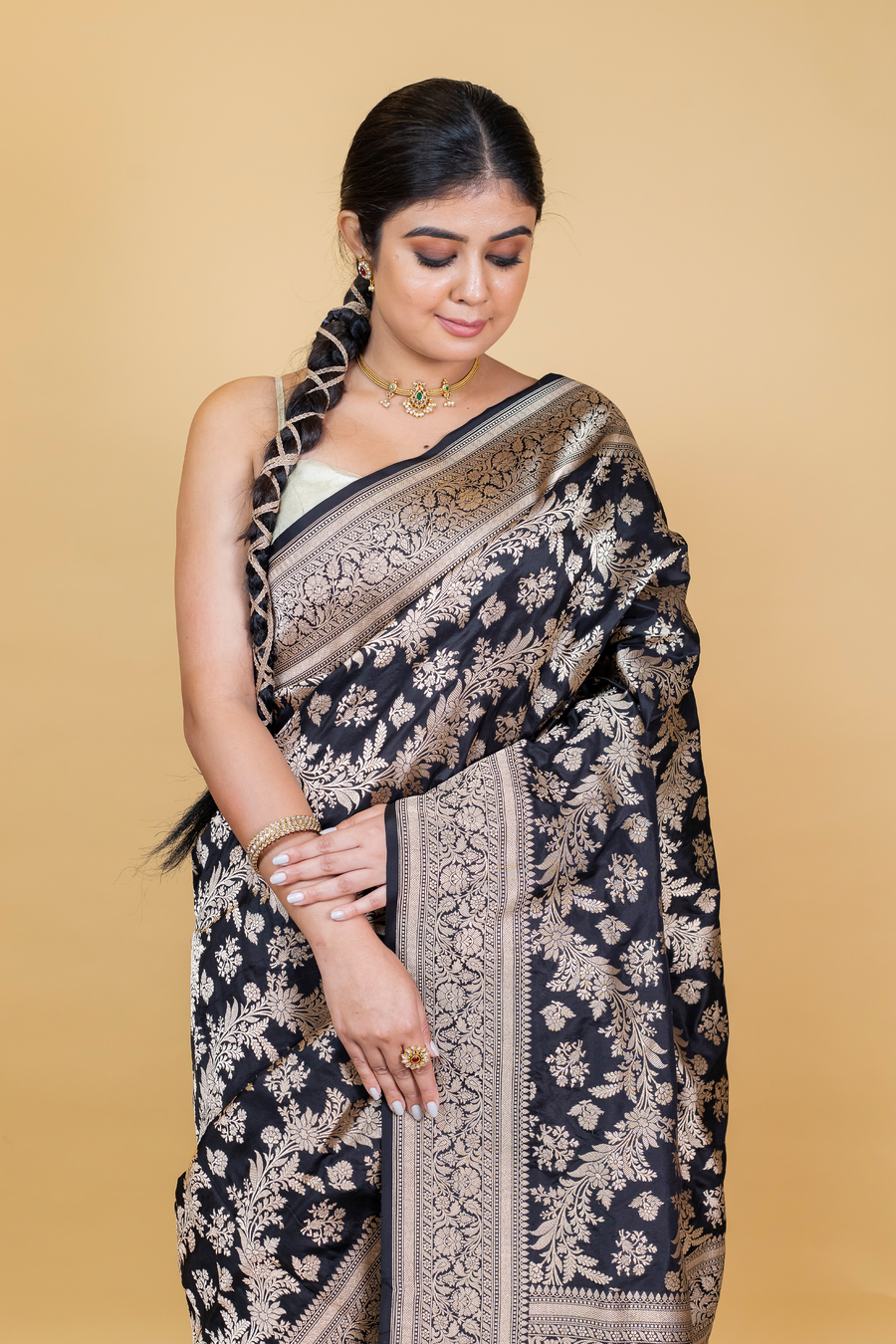
Black Katan Silk Saree — Cut Work Booti

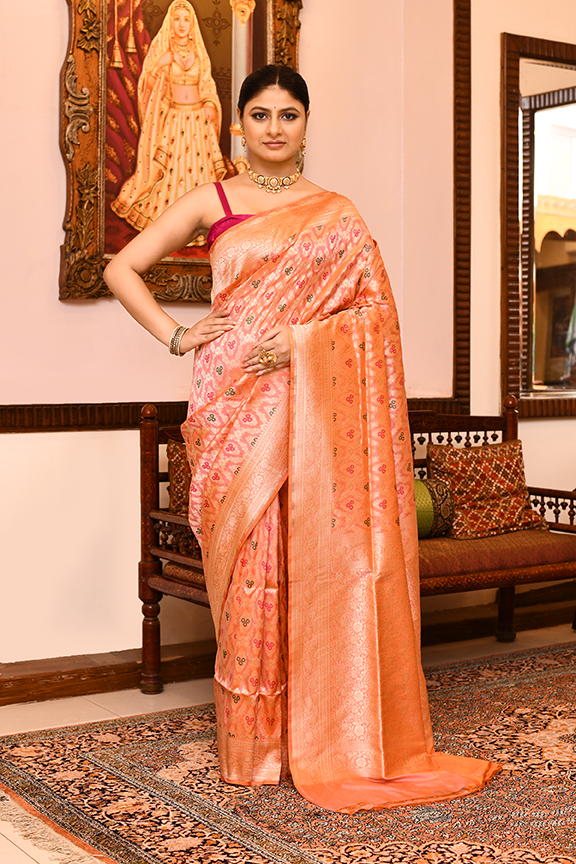

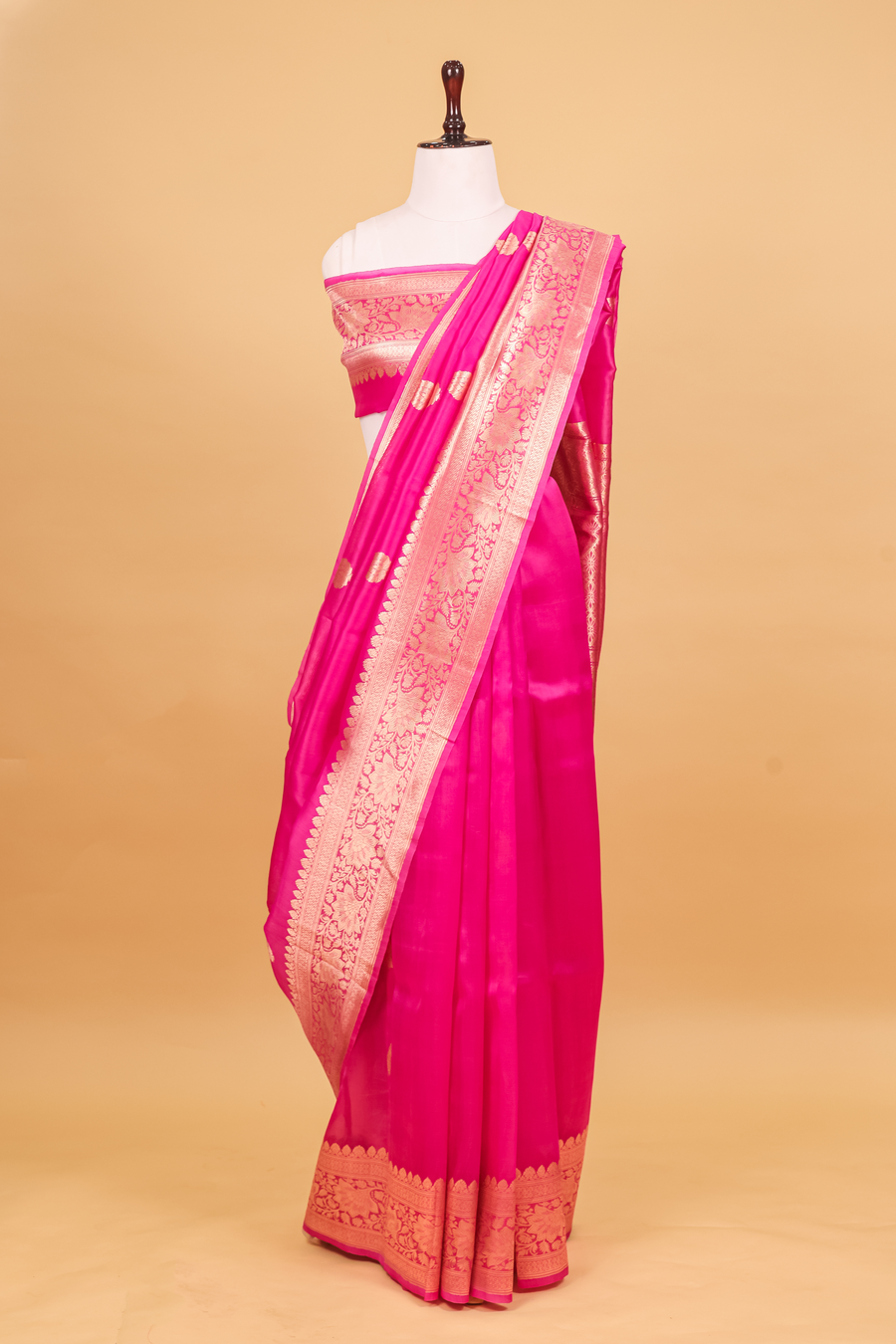
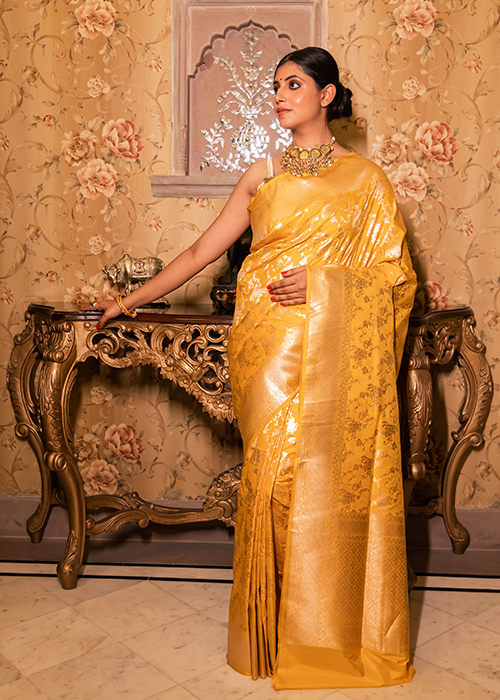
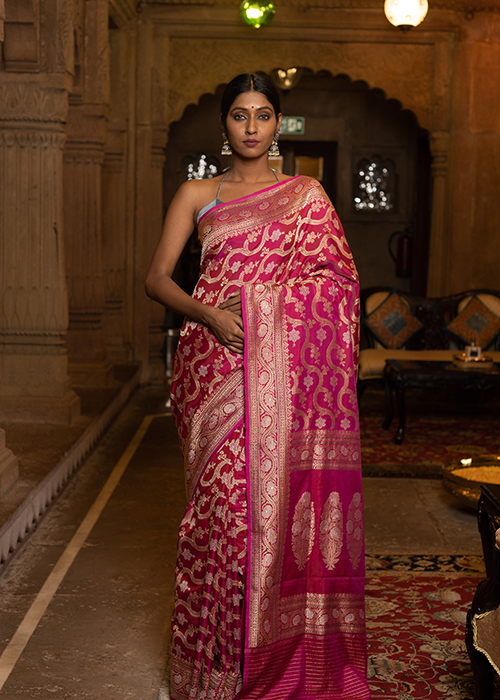


Asli vs Nakli — How to Identify a Real Banarasi Saree
Power-loom copies are sold online as "Banarasi" every day. Before you buy from anywhere — here is exactly how our weavers in Varanasi tell a real handwoven saree from a machine-made one.
The Back-Side Weave Check
Turn the saree over. On a real handloom Banarasi, the back looks almost identical to the front — slightly raised threads, a few visible loose ends from hand-weaving. On a power-loom copy, the back is flat, smooth, and printed-looking, with no thread irregularity at all.
Real: textured backThe Zari Rub Test
Gently rub the zari (gold/silver thread) between two fingers. Real zari, even modern "tested zari," has a slightly rough, metallic feel and won't shed colour. Fake zari (plastic-coated) feels slippery-smooth and sometimes leaves a gold or silver tint on your fingers.
Fake: shiny, sheds colourThe Burn Test (Small Thread Sample)
Pull one loose thread from the inner seam (never the main fabric) and burn it briefly. Pure silk curls, smells like burnt hair, and turns to fine ash. Polyester/art-silk melts into a hard plastic bead and smells like burnt plastic.
Real: ash, hair-like smellQuick Comparison: Real Handloom vs Power-Loom Copy
| What to Check | Real Handwoven Banarasi | Power-Loom / Machine Copy |
|---|---|---|
| Weaving time | 15–45 days per saree, by hand on a pit loom | A few hours on a power loom |
| Pattern repeat | Tiny natural irregularities between motifs | Every motif is perfectly identical |
| Price (Katan/Kora silk) | Usually ₹25,000 and above for genuine zari work | Often under ₹8,000 — too cheap for real silk + zari |
| Weaver's mark | Small thread knot or mark woven in by the karigar | No weaver's mark — mass produced |
| GI Tag | Genuine sellers can show a valid GI registration number | No GI tag, or a printed sticker with no real registration |
Every Panaya saree is handwoven by 4th-generation karigars in Varanasi and is GI certified. If you'd like, we're happy to walk you through these checks over a video call before you buy.
Katan, Georgette, Organza or Tissue — which silk is actually right for you?
Every silk drapes, shines and ages differently. Here's an honest, side-by-side look — so you know exactly what you're buying before you add to cart.
Every Panaya Katan Silk saree is GI Tagged and Silk Mark certified — verified pure, verified Varanasi.
We Deliver Banarasi Sarees Across India & Worldwide
Our weavers work from Varanasi, but our sarees travel everywhere. Pick your location below and shop pure Katan, Kora, Tissue and Organza silk Banarasi sarees — packed with care and shipped right to your door.
Delhi NCR
Wedding & Festive Banarasi sarees
Mumbai
Bridal silk sarees, fast shipping
Bengaluru
Pure silk for every occasion
Kolkata
Authentic Varanasi weaves
Hyderabad
Katan & Tissue silk sarees
Chennai
Handwoven bridal collection
Pune
Real zari, GI certified silk
Lucknow
Close to home, quick delivery
Ahmedabad
Festive & wedding silk sarees
Jaipur
Royal weaves, royal city
Chandigarh
Bridal Katan silk sarees
Varanasi
Straight from our looms
Kochi
Coastal weddings, coastal silk
Mysore
Palace city, princely silk
Visakhapatnam
Port city bridal weaves
Vijayawada
Wedding season, festive Katan
Madurai
Temple town, timeless silk
Coimbatore
Textile city, real handloom
Tiruchirappalli
Trichy weddings, pure Katan
Kozhikode
Malabar coast silk delivery
Trivandrum
Kerala weddings, Onam silk
Hubli
North Karnataka silk delivery
Warangal
Telangana weddings, festive silk
Guntur
Andhra brides, bridal Katan
Belgaum
Border city, bridal silk
Nellore
Coastal Andhra, festive weaves
Tiruppur
Textile hub, real Banarasi
Salem
Steel city, silk sarees
Mysuru
Heritage city, royal weaves
Secunderabad
Twin city wedding silk
Thiruvananthapuram
Kerala capital, Onam sarees
Mangalore
Coastal Karnataka, festive silk
Dubai
Banarasi silk for weddings & celebrations
USA
Handwoven sarees shipped across the USA
New York
Wedding & festive Banarasi sarees
New Jersey
Authentic Varanasi silk delivered
California
Banarasi silk for weddings & events
London
Authentic Varanasi weaves delivered
Houston
Bridal & festive Banarasi sarees
United Kingdom
Handwoven sarees shipped across the UK
Canada
Banarasi silk delivered across Canada
Toronto
Wedding & festive Banarasi sarees
Melbourne
Handwoven silk for Australian occasions
Vancouver
Authentic Banarasi sarees delivered
Australia
Banarasi silk shipped across Australia
Singapore
Handwoven Banarasi for weddings & Deepavali
Don't see your city? We ship across India and internationally.
SHOP BANARASI SAREESThe Lanes of Varanasi Behind Every Panaya Saree
Your saree is not made in a factory. It is made in a narrow lane, on a hand loom, by a family that has been weaving for generations. Here are the actual mohallas (neighbourhoods) where our karigars live and work.
Lallapura
Known for: Katan silk & zari brocade weaving
One of the oldest weaving lanes in Varanasi. Our Katan silk sarees with heavy zari work come from a small group of looms here, run by families who have woven for over four generations.
"Aapki saree iss gali se aayi hai."
Madanpura
Known for: Tissue silk & fine Jaal patterns
A dense weaving neighbourhood where most homes still have a pit loom in the front room. Our tissue silk and intricate Jaal-pattern sarees are woven here, often taking over a month per piece.
"Aapki saree iss gali se aayi hai."
Alaipura
Known for: Kadwa booti & Tanchoi weaving
An old, historic weaving lane known for the Kadwa technique, where each motif is woven separately by hand instead of being repeated mechanically. Our Kora silk sarees with Kadwa booti work come from here.
"Aapki saree iss gali se aayi hai."
Jaitpura
Known for: Jamdani & brocade weaving
One of the oldest and most historic weaving zones in Varanasi, traditionally known for fine Jamdani and brocade work. Several of our heavier, festive-occasion sarees are woven by families settled in this lane.
"Aapki saree iss gali se aayi hai."
We work directly with karigars in these mohallas — no middlemen, no anonymous factories. When you buy from Panaya, you are buying directly from the family that wove it.
Weaving Praise - Here's Why They Love Us:

Wore this Katan silk saree at my cousin's wedding and got so many compliments. The zari work is so rich, you can tell it's real handloom 🙏

Was skeptical buying a saree online but Panaya proved me wrong. The fabric quality and finishing is bridal-level. Delivered on time too!

Gifted this to my MIL for Karva Chauth. She said it feels exactly like the ones she used to get from Varanasi years ago. Pure silk feel ❤️

Wore this for Onam celebrations, everyone kept asking where I bought it from! Colours are exactly like the pictures, no surprises.

Loved that they mention GI certification clearly. Got my saree checked by a local weaver too, he confirmed it's genuine Banarasi. Highly recommend!

Bought my first saree 3 months back and loved it so much I ordered another one. Packaging is premium and customer support replies fast on WhatsApp.

This rani pink saree is drop dead gorgeous in person. The drape falls beautifully and the pallu work is so detailed. Worth the price!

Wanted a subtle color for an evening reception and this pista green was perfect. Lightweight yet rich looking, exactly what I wanted.

Wasn't sure how a tissue silk saree would drape but I'm so pleasantly surprised. Light on the body but rich in look, perfect for summer weddings.

Ordered based on pictures and it looked even better in real life. The booti work is so fine and neat. Will definitely order more for my sisters!